


The J-MINT study is the first study in Japan to examine the effectiveness of a prevention program for older adults at risk of dementia.
J-MINT Study Overview
The official name of the J-MINT study is
the Japan-Multimodal Intervention Trial for Prevention of Dementia,
which is a randomized controlled trial designed to evaluate the effectiveness of a multidomain intervention program for preventing dementia. The name “J-MINT” is derived from the initials of the English name of the study.
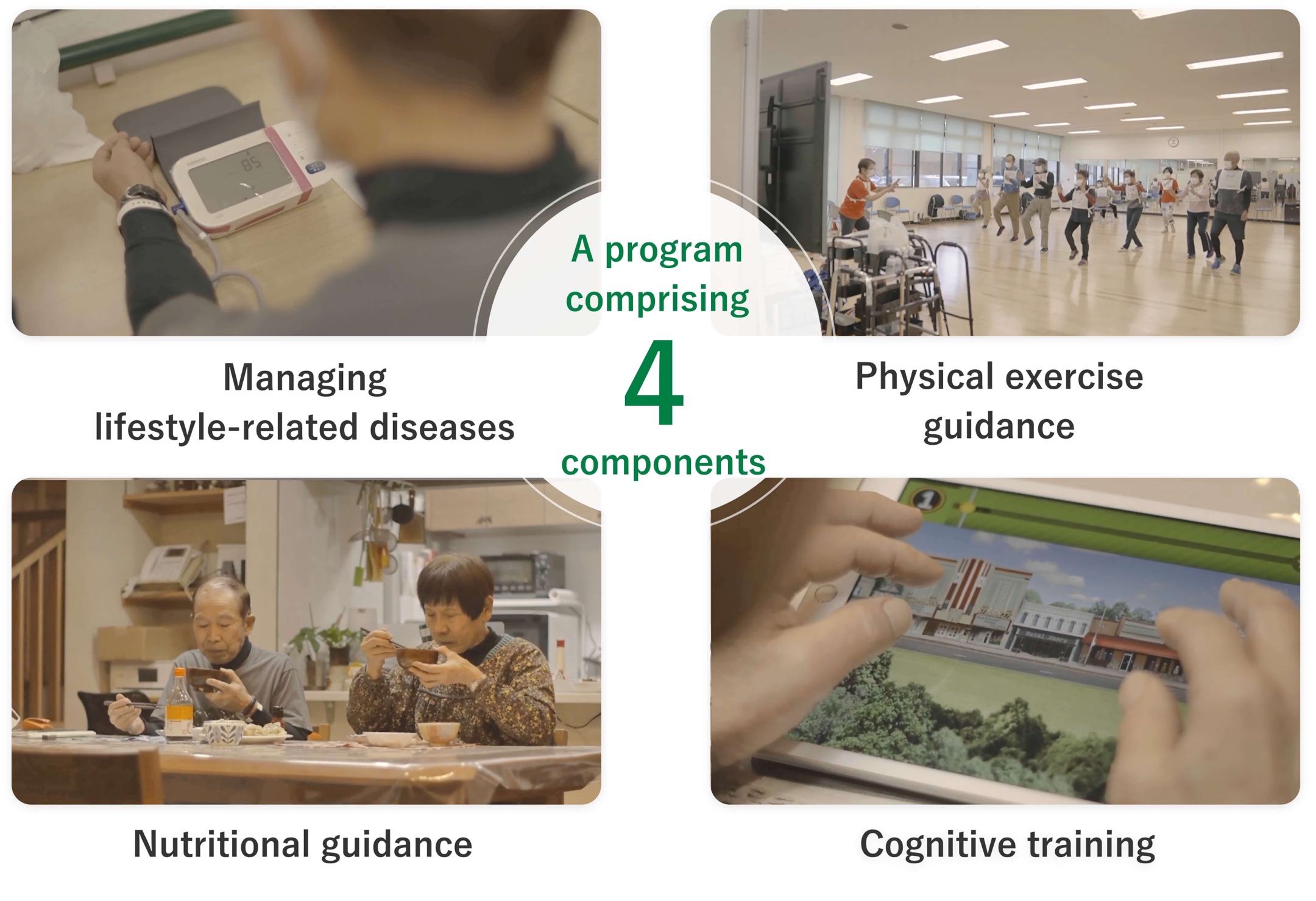
In this study, older adults at risk of dementia participated in a program comprising four components:
managing lifestyle-related diseases (aimed at preventing or improving chronic conditions),
physical exercise guidance (how to exercise safely and effectively),
nutritional guidance (how to eat properly),
and cognitive training (activities that stimulate cognitive function).
This study examined whether this multidomain approach helped slow or prevent cognitive decline by engaging participants in these integrated interventions.
Design and Process
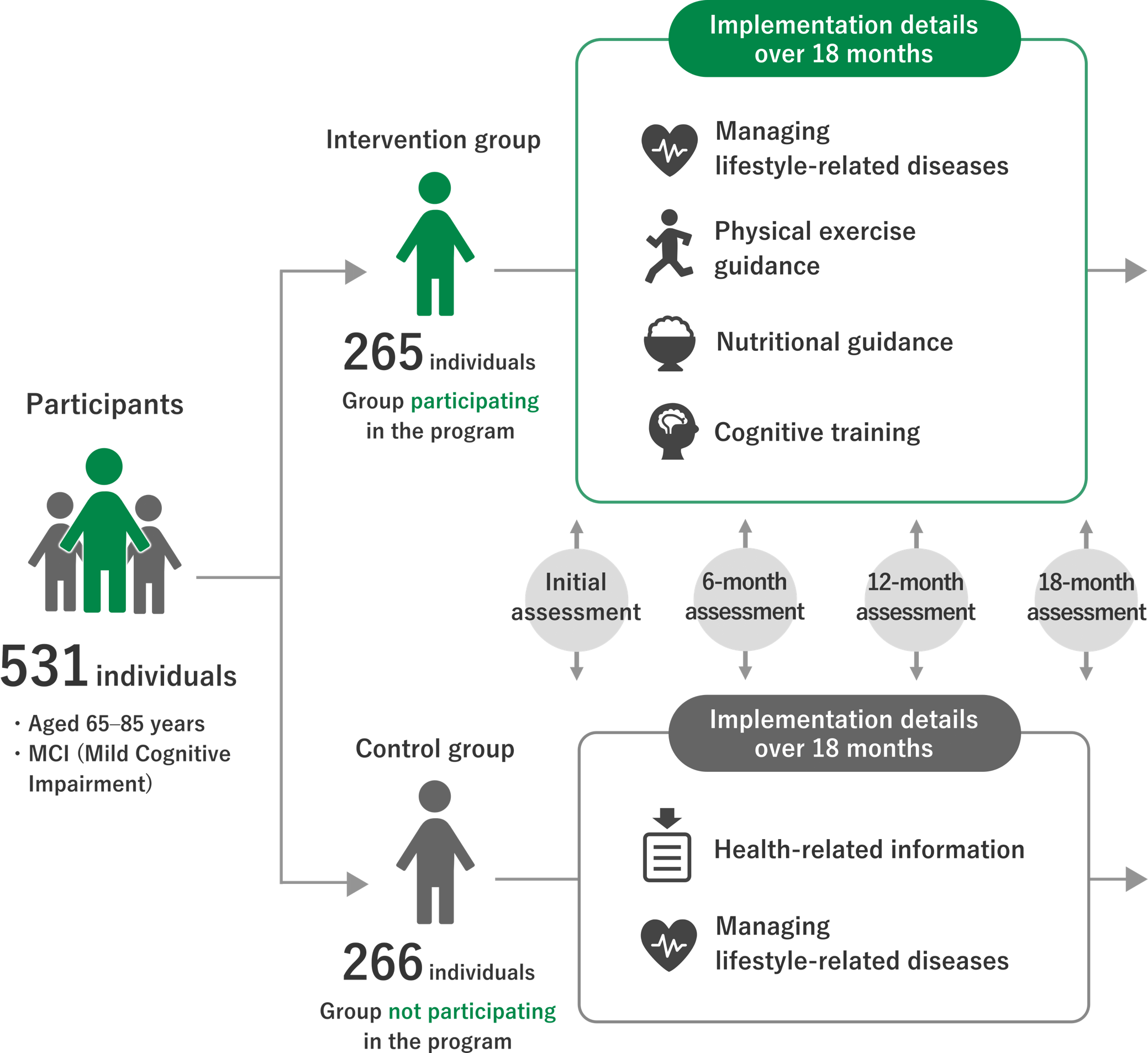
A total of 531 adults aged 65 to 85 years participated in the J-MINT study. All participants had slightly lower cognitive function compared with others in their age group but were still able to perform daily activities without difficulty. This condition is referred to as mild cognitive impairment (MCI), which is associated with an increased risk of dementia.
Participants were randomly assigned to one of two groups: an intervention group comprising 265 individuals who participated the program, and a control group of 266 individuals who did not.
The intervention group part engaged a combined program consisting of the management of lifestyle-related diseases, physical exercise and nutritional guidance, and cognitive training.
The control group received information on health and the management of lifestyle-related diseases only. The study period was 18 months, during which changes in cognitive function between the groups were compared to evaluate the effectiveness of the program.
Sugimoto T, et al. J Prev Alzheimers Dis. 2021;8(4):465-476.
Intervention Components
Intervention Group (Program Participants)
The intervention group engaged in a multidomain program that combined the following four components:
Management of lifestyle-related diseases
(preventing and improving chronic conditions)

Diabetes, hypertension, and dyslipidemia were managed in accordance with the latest clinical guidelines at each collaborating research facility and through the primary care physicians of the participant. The participants were encouraged to seek medical care when necessary.
Physical exercise guidance
(how to exercise safely and effectively)

A 90-minute exercise class was held once per week, for a total of 78 sessions. The program included aerobic exercise, strength training, and dual-task exercises,* as well as group meetings designed to encourage behavior change. Each participant was also provided a wristband-type activity tracker for monitoring their daily steps and activity levels. The aim with this approach was to increase motivation to engage in physical activity and increase engagement in activities of daily living.
* Dual-task exercises combined cognitive tasks, such as simple calculations or word games, with physical movement.
Nutritional guidance (proper eating)

Health counsellors, registered dietitians, public health nurses, or nurses provided both in-person consultations and telephone support. One in-person session and four telephone consultations were treated as a single set, and one set was completed every six months for a total of three sets over the 18-month study period.
The guidance provided was based on the Dietary Reference Intakes for Japanese (2020 edition) and covered appropriate food portions, dietary variety, nutrients and foods considered beneficial for dementia prevention, daily routines such as meal frequency and sleep–wake patterns, smoking cessation support, and oral care to prevent oral frailty. Participants set behavioral goals related to their lifestyle and eating habits, worked with counselors to plan strategies, and monitored their progress in achieving those goals.
Cognitive training
(activities stimulating cognitive function)

A tablet was provided to each participant, along with thorough instructions on its use. Participants were encouraged to complete BrainHQ, an online program developed by Posit Science that offers 13 types of visual cognitive training, for 30 minutes per day, at least four times per week, at home or in another comfortable setting. An intensive training period was scheduled every three months to further promote active engagement with BrainHQ.
The training frequency of each participant was continuously monitored. If the participant did not meet the recommended level, additional guidance and support were provided as needed.
Sugimoto T, et al. J Prev Alzheimers Dis. 2021;8(4):465-476.
Control Group (participants who did not receive the program)
The control group received information regarding health and the management of lifestyle-related diseases. Health information was provided every two months through printed materials covering general health topics. Participants were offered opportunities to discuss any health-related concerns during the six-month evaluations.
Sugimoto T, et al. J Prev Alzheimers Dis. 2021;8(4):465-476.
Findings
Selection of Participants for Analysis
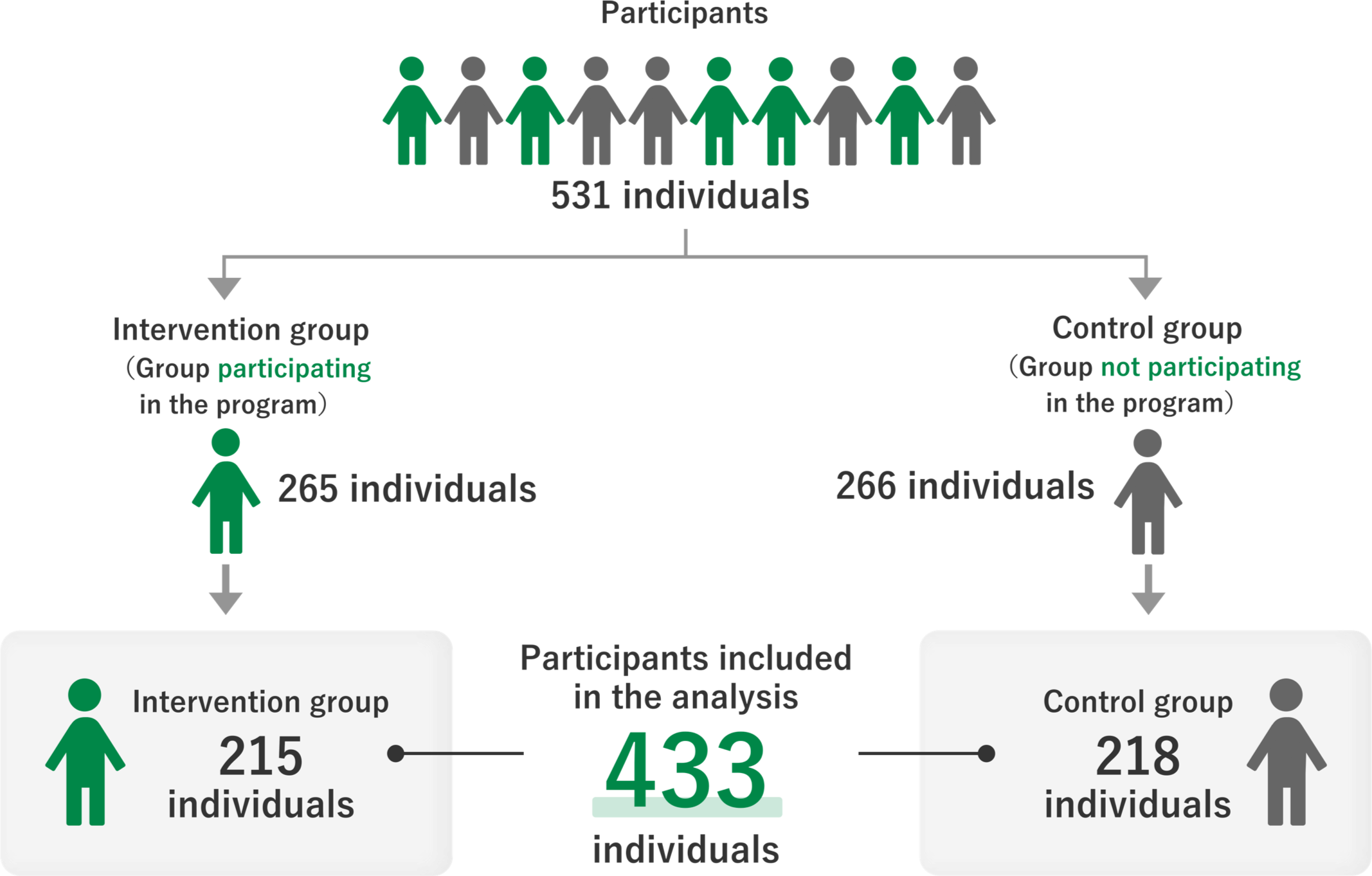
A total of 531 individuals participated in this study, with 265 and 266 assigned to the intervention and control groups (those who did and did not engage in the program), respectively. Of these participants, 406 people (76.5%) remained in the study for the full 18-month period.
Individuals were considered “participants included in the analysis” in the J-MINT study if they attended at least one exercise class or received at least one set of health information and completed at least one evaluation after the six-month point.
Sakurai T et al, Alzheimers Dement. 2024;20(6):3918-3930.
Characteristics of Analyzed Participants
The average age of the participants was approximately 74 years, comprising 52% women and 48% men, reflecting an almost equal sex distribution. Approximately 30% carried the APOE4 gene, which is associated with an increased risk of dementia. The average score on the Mini-Mental State Examination (MMSE), a test commonly used for assessing cognitive function, was 27.7.

Sakurai T et al, Alzheimers Dement. 2024;20(6):3918-3930.
Results of Analysis
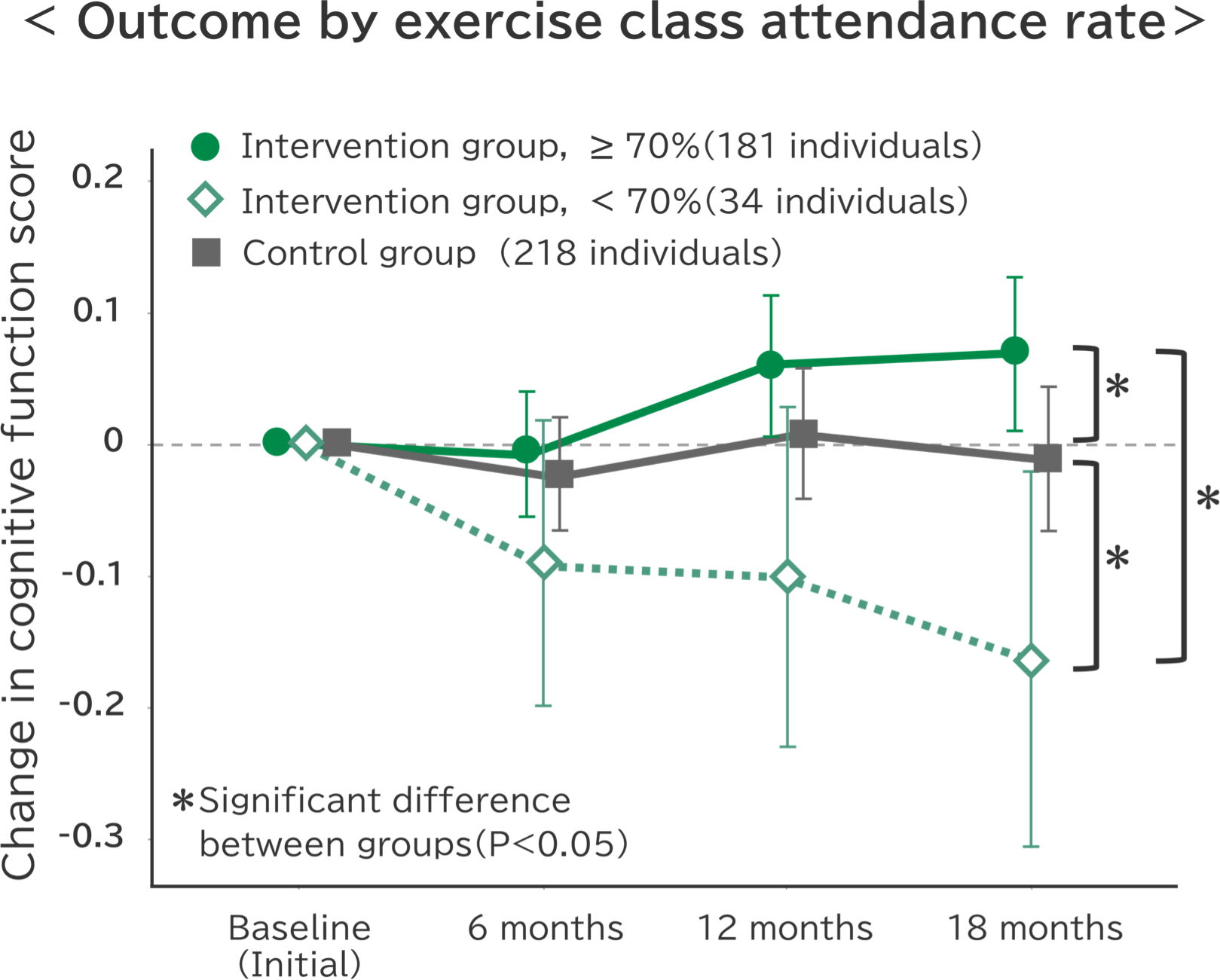
In the analysis of the primary outcome, which was the effectiveness of a multidomain intervention program in preventing dementia, the cognitive function in the intervention group tended to improve. However, the improvement was not statistically significant when compared with that in the control group, who did not participate in the program. Therefore, we additionally analyzed the intervention group by dividing participants into two groups based on their rate of attending the 78 exercise sessions: 70% or higher and less than 70% attendance.
We conducted an additional analysis using these two groups and the control group, which did not participate in the program. The graph below shows changes in cognitive function scores from baseline to 18 months, displayed in six-month intervals, for the three groups.
The green solid line indicates participants with an exercise class attendance rate of 70% or higher.
The turquoise dashed line indicates participants with an attendance rate of less than 70%.
The gray solid line is the control group who did not participate in the program.
The participants who attended 70% or more of the sessions experienced significant increases in cognitive function compared with those with lower attendance rates and with the control group. In other words, higher participation in the program among older adults with MCI was associated with larger cognitive improvements.
Sakurai T et al, Alzheimers Dement. 2024;20(6):3918-3930.
In older adults with MCI, higher participation in the program was associated with improvements in cognitive function.
The study also identified individuals who may more readily benefit from the intervention. For example, people carrying the APOE4 gene are at a higher risk of developing dementia. In the control group, cognitive function declined over time. However, cognitive decline was not observed in the intervention group; instead, cognitive function was maintained.
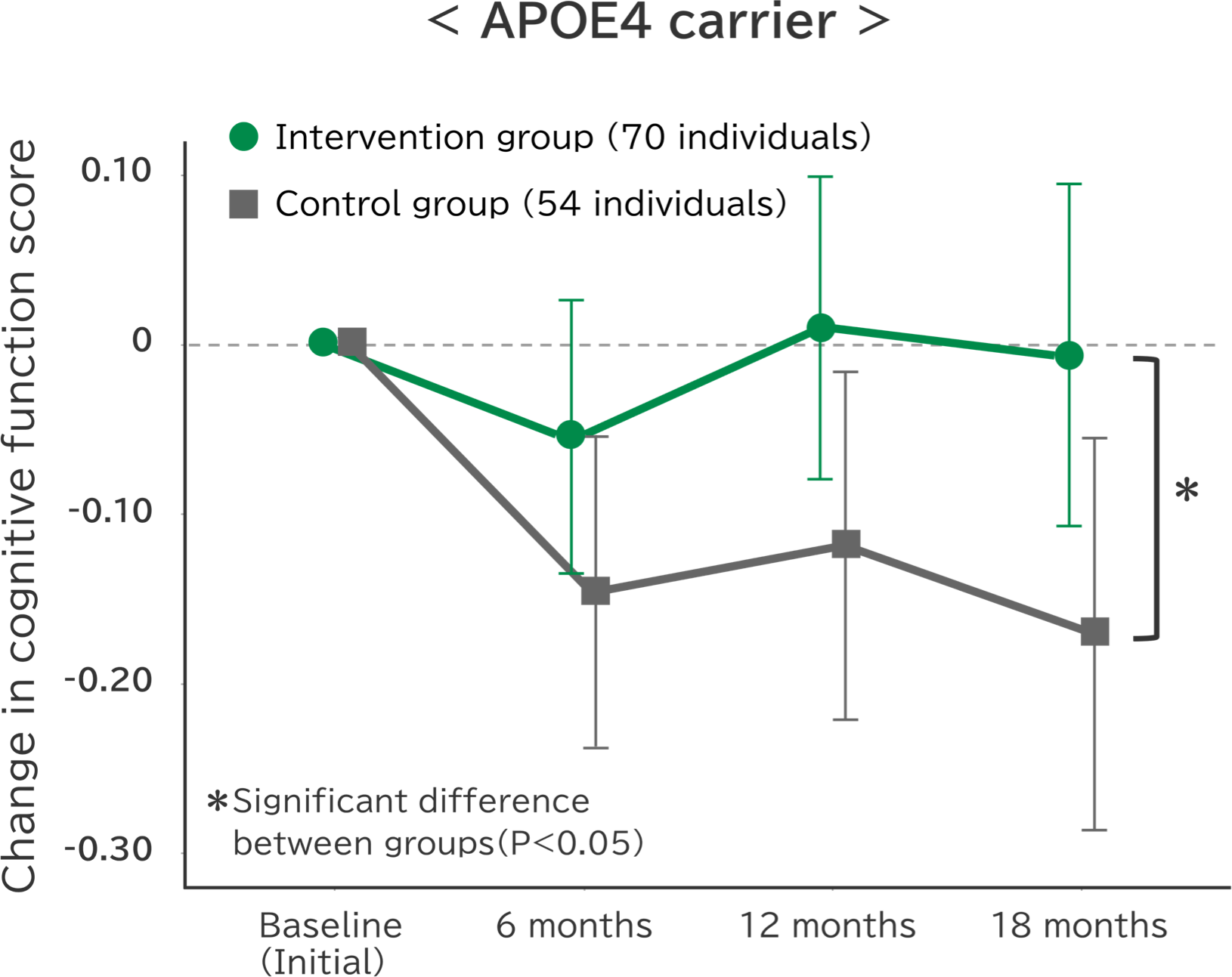
Sakurai T et al, Alzheimers Dement. 2024;20(6):3918-3930.
Additional Information
Founding source
Japan Agency for Medical Research and Development (AMED)
Public–Private Innovation Demonstration Infrastructure Program for Dementia Measures
UMIN Clinical Trials Registry
UMIN ID : UMIN000038671
UMIN Clinical Trials Registry 
Collaborating Institutions
- National Center for Geriatrics and Gerontology
- Nagoya University
- Nagoya City University
- Fujita Health University
- Tokyo Metropolitan Institute for Geriatrics and Gerontology
Participating private companies
- Sompo Holdings, Inc.
- Sompo Care Inc.
- Konami Sports Co., Ltd.
- Sompo Health Support Inc.
- Posit Science Corporation